
Into the Dead 2: Zombie Killer
PIKPOKAction
4.528.90K Reviews
- Version
- 1.87.0
- Installs
- 10.00M
- Age Rating
- Mature 17+
Screenshots
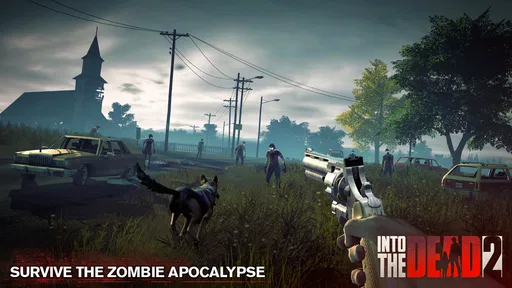
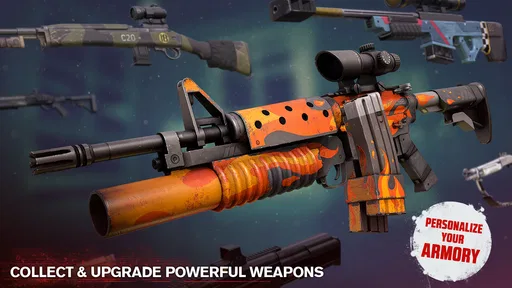
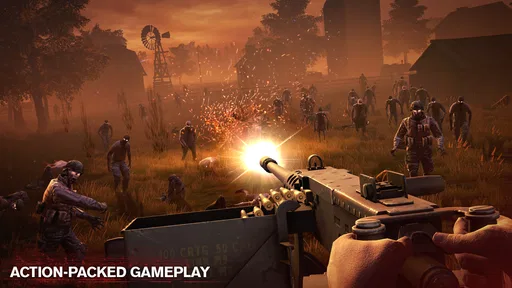
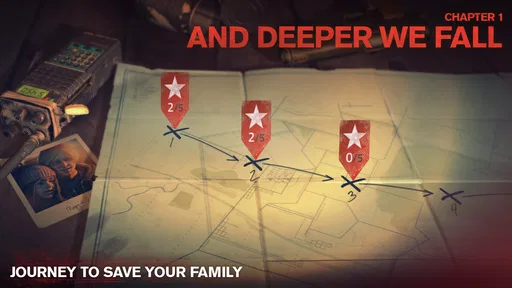

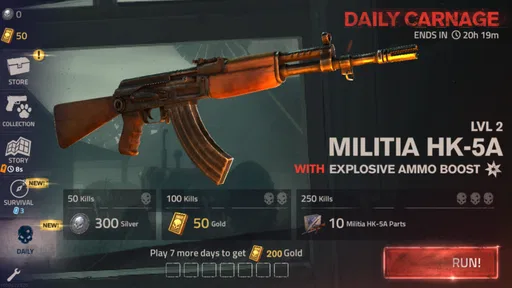
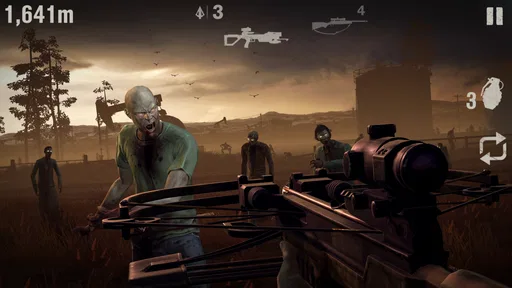
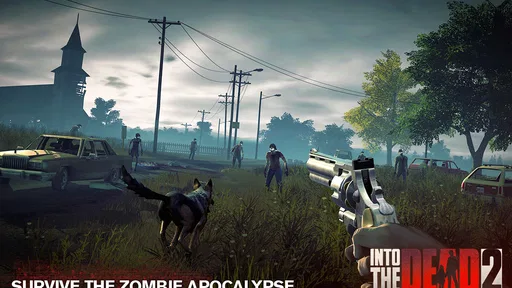
Our Review of Into the Dead 2: Zombie Killer
 Analysis by Appyee
I went into Into the Dead 2 expecting a straightforward zombie shooter, but its appeal comes from how quickly it turns one short run into a small test of judgment. You move through a dangerous route, react to threats, try to stay alive, and then immediately understand why the next attempt might go better. That action-feedback-reset pattern is the real heart of the game. It is easy to begin, but surviving consistently asks for more attention than the simple controls suggest.
Developed by PIKPOK, this is a free action game for Android and iOS with a Mature 17+ content rating. It arrived on October 11, 2017, and remains a substantial mobile release, with more than 10 million installs and an average rating of 4.5 from roughly 717 thousand ratings. Those figures make sense after spending time with it: the game has a clear identity, a strong visual mood, and a loop that works particularly well when I want a quick burst of tense play rather than a long, relaxed session.
The important thing is to approach it as a survival-focused action game, not as a traditional arena shooter. The pleasure is not only in defeating zombies. It is in reading the path ahead, choosing when to commit, managing pressure, and learning from the moment a run falls apart. If you enjoy games where a failed attempt teaches you something immediately, this one has a lot to offer. If you want complete freedom to explore or a slow tactical experience, its forward-driving structure may feel restrictive.
One first action that explains the whole game
The opening moments are deliberately direct. You are placed into danger and asked to act before there is much time to admire the scenery. That creates a useful first impression: the game is about movement under pressure. I do not spend the early seconds arranging a perfect position or searching every corner. I am already thinking about what is in front of me, what can be avoided, and which threat deserves an immediate response.
That forward momentum gives every encounter a little urgency. A zombie standing in the route is not merely a target waiting to be tapped. It is part of a decision. I may need to deal with it, steer around it, or accept that changing course will create a different danger. The best moments come when several problems arrive close together and I have to choose quickly instead of treating enemies as isolated obstacles.
The control design is approachable, which is important on a phone. I could understand the basic interaction without studying a complicated layout, and that allowed the tension to come from the situation rather than from wrestling with the interface. Still, simple controls do not make the game mindless. The challenge shifts toward timing, positioning, and recognizing when a seemingly safe route is about to become crowded.
For a realistic everyday use case, imagine having a few minutes before a train arrives or while taking a break from work. This is where the game fits naturally. I can begin a run quickly, concentrate on a compact problem, and stop after an attempt without needing to remember a large open world. The same design also makes it suitable for someone who likes repeatable challenges during short breaks, provided that the mature zombie violence is comfortable for them.
The atmosphere helps the first action feel meaningful. The subject matter is grim, and the Mature 17+ rating is not an incidental label for a cheerful arcade game. The presentation is built around survival, danger, and undead attacks, so I would not recommend it for children or for anyone looking for a gentle family-friendly shooter. The tone is one of the reasons the action has impact, but it is also a clear boundary for the audience.
Why the first attempt is useful even when it fails
What I like about the early attempts is that failure rarely feels completely empty. A run can reveal how quickly a route becomes unsafe, how much pressure comes from allowing enemies to gather, or how costly a rushed decision can be. That information changes the next run. I am not simply pressing restart because the game demands it; I am restarting because I have a better idea of what I should do differently.
This is a subtle strength. Many mobile action games make failure feel like a delay before repeating the same content. Here, the reset can feel like part of the learning process. A poor choice becomes a reference point. I remember the kind of situation that ended the attempt, and that memory affects how I approach a similar moment later.
The feedback rhythm: action, danger, and immediate correction
The game’s feedback rhythm is built around short bursts of concentration. I act, see the result, adjust, and then face the next problem. When a response works, the reward is not only visual or numerical; it is the relief of keeping the run alive. When it fails, the result is equally clear. That direct relationship between decision and consequence keeps the action readable even when the screen becomes stressful.
I found this rhythm more satisfying than the slower pacing common in some mobile survival games. There is little time for the tension to disappear. A successful moment leads naturally into another threat, so a run develops a steady pulse: approach, react, survive, reassess. The game does not need a complicated explanation every few seconds because the immediate situation tells me what matters.
That does not mean every moment is equally exciting. Repetition is part of the design, and players who need constant novelty may eventually notice the pattern. The game’s strength is refinement rather than endless reinvention. I become better at the familiar type of problem, and the satisfaction comes from handling it with less panic and fewer wasted actions.
One practical tip is to treat the first part of a run as information gathering rather than as a race for maximum progress. I pay attention to where pressure begins, which choices leave room for correction, and which decisions create a chain of problems. This mindset is more useful than reacting emotionally after a mistake. It also makes the game feel less dependent on luck, because I am actively building a mental map of its demands.
Another useful habit is to avoid spending every resource or committing to every confrontation simply because the option appears. Survival games often tempt the player to act immediately, but the safer decision can be the one that preserves flexibility. I found that a run improved when I thought about the next few seconds rather than only the threat directly in front of me. That small change in attention is one of the game’s more rewarding lessons.
Where the tension works, and where it can frustrate
The same pressure that makes the game engaging can also become tiring. Because the experience is built around danger and repeated attempts, I sometimes wanted a calmer interlude between intense sections. Players who prefer exploration, story-heavy pacing, or a wide range of peaceful activities may find the constant survival focus narrow.
There is also a difference between challenging repetition and frustrating repetition. When I understand why a run ended, I am happy to try again. When the result feels like a sequence I have already mastered being replayed without enough variation, my motivation drops. That is the main trade-off of the format: the loop is efficient and addictive, but it asks me to enjoy practicing the same general skill set.
Compared with a conventional mobile shooter that places me in a free arena, this game feels more controlled and more focused. I am not wandering around looking for the next objective in the same way. Compared with a slower zombie strategy game, it demands faster reactions and offers less room to pause over every decision. Those alternatives may be better for players who want broader movement, deeper planning, or a more relaxed pace. This one is better when I want the game to put pressure on me immediately.
The reward is improvement, not just survival
The most convincing reward is the feeling that a later run is cleaner than an earlier one. I notice fewer moments of hesitation, better responses to familiar threats, and more confidence when the route becomes dangerous. That kind of improvement is personal and practical. It does not require me to believe that every run will be perfect; it only asks me to recognize that experience has changed how I play.
There is also a satisfying emotional contrast between a run that collapses early and one that carries me much farther. The game makes continued survival feel valuable because the route is always asking for another successful decision. A modest improvement can be enough to make the next attempt worthwhile, especially when I know exactly which mistake I am trying to avoid.
The free-to-play structure deserves careful attention. The game is free to download, but it includes in-app purchases ranging from $0.99 to $99.99 per item. I would approach those purchases cautiously. The core loop is worth testing without spending money first, because the important question is whether I enjoy repeated survival attempts. If I do not enjoy that foundation, extra purchases will not solve the problem. If I do enjoy it, I can decide whether optional spending genuinely improves my experience rather than buying automatically during a frustrating moment.
This is particularly important for players who dislike pressure around progression or who are managing a strict entertainment budget. A free entry point is convenient, but the presence of purchases means I would recommend setting a personal limit before playing. That simple step keeps the reward focused on skill and persistence instead of turning a difficult run into an impulse-buying decision.
A less obvious benefit of the reward structure is that it gives the game a useful stop point. I can finish an attempt with a clear sense of accomplishment, even if I do not have time for a long session. That makes it easier to fit into a busy day than a game that only feels satisfying after a large quest or extended match. The trade-off is that the desire to improve can also encourage “one more run” long after the original break was supposed to end.
Who gets the most from the reward loop
I would recommend it to players who enjoy action games with immediate consequences, zombie themes, and a strong retry instinct. It suits someone who likes learning through repetition and prefers a focused route to a large map. It can also work for a player who wants a mobile game that feels active from the first moment instead of spending much of its time on menus or preparation.
I would suggest skipping it if you want a nonviolent game, a child-friendly experience, or a shooter where you can freely explore every area at your own pace. It is also not the best match for anyone who finds repeated failure irritating rather than motivating. The game expects me to accept that a run may end, understand the lesson, and begin again. Without that willingness, its central design can feel like a chore.
The reset is the reason another session begins
Resetting a run is not treated as a dramatic interruption. It is the hinge that keeps the whole experience moving. I see what went wrong, take a moment to reconsider, and start again with a slightly different plan. That transition is quick enough to preserve momentum, which is crucial for a game built around short attempts.
The reset also changes the emotional meaning of failure. Instead of ending the evening, a failed run often creates a specific question: could I have avoided that danger, reacted sooner, or chosen a safer approach? When the answer feels clear, the next session begins naturally. I am not chasing an abstract score for its own sake; I am testing a revised version of my own decision-making.
There is a useful distinction between restarting immediately and taking a short pause. If I am still annoyed, I tend to repeat the same mistake because I am playing faster instead of better. A brief pause helps me identify the actual problem. Then the next attempt becomes deliberate. This is one of the few mobile action games where stepping away for a minute can genuinely improve the next run, because the challenge depends so much on attention.
The reset loop also answers a common practical question: is it suitable for short sessions? In my experience, yes. The structure is naturally divided into attempts, so I can play one or several depending on the time available. It is less suitable when I want a single uninterrupted story session, because its strongest rhythm comes from repeated runs rather than from settling into a long cinematic sequence.
Another consideration is device age. The current version is 1.87.0, and the stated minimum requirement is Android 7.0. That makes it accessible to many older Android phones, although the actual comfort of play will still depend on the device. I would leave enough storage and close demanding background apps if the phone is older, especially because fast action benefits from responsive input. The game is free, so trying it directly is the sensible way to judge how well it feels on a particular handset.
How it compares with other ways to play zombie games
If I compare it with an endless runner, the zombie threat gives the forward movement more tactical weight. The route is not only about reflexively changing lanes or avoiding scenery; the danger comes from enemies and the need to decide how to handle them. If I compare it with a full console-style shooter, the experience is more compact and less expansive, but that compactness is exactly why it works on a phone.
It also differs from cooperative zombie games. Those are often built around communication, team roles, and unpredictable human partners. This game is a more personal test. My success depends on my own reactions and adjustments, which makes it convenient when I do not want to wait for other players. On the other hand, someone who thrives on teamwork may find the solitary structure less exciting.
For players who prefer strategy, a slower title may offer more control over preparation and long-term planning. Here, the strategy is compressed into movement and immediate choices. That does not make it shallow, but it does make the game’s intelligence feel physical rather than managerial. I am thinking with my hands and timing, not building a base or arranging a large squad.
My verdict on the complete action loop
After looking at the whole cycle—first action, feedback, reward, reset, and the urge to try again—I think the game succeeds because each part supports the next. The first action is clear, the feedback is immediate, the reward is visible in better survival, and the reset is fast enough to keep a mistake from becoming a stopping point. The loop has a reason to continue, but it also gives me natural moments to put the phone down.
Its limitations are just as specific. The violence and Mature 17+ rating rule it out for younger players and anyone seeking a lighter tone. The repeated survival structure can become narrow, and the in-app purchases mean I would play with spending boundaries in place. Players searching for open exploration, deep multiplayer cooperation, or a slower tactical pace should look elsewhere.
For me, though, this is a strong recommendation for short, tense mobile sessions. PIKPOK has built an action game that understands why a failed attempt can be more inviting than a successful one: failure leaves a problem to solve. With over 29 thousand written reviews and a large installed audience, it has clearly found players who enjoy that exchange between pressure and improvement. I would start it for a quick run, expect to fail at least sometimes, and keep playing only when the next attempt feels like a meaningful experiment rather than an automatic repeat.
My final advice is simple: try it free, give the controls and survival rhythm a fair session, and decide based on whether learning from each reset feels satisfying. If it does, the compact zombie action can become an excellent break-time habit. If it does not, no amount of extra content or spending will change the fact that the repeat-and-improve loop is the game’s entire reason to return.
Verdict
Strengths of Into the Dead 2: Zombie Killer
- Fast-paced zombie action with satisfying weapon variety.
- Multiple story chapters keep the campaign engaging.
- Offline play is useful when you have no internet connection.
- Different dog companions add variety and emotional appeal.
- Frequent missions provide clear short-term goals.
Limitations of Into the Dead 2: Zombie Killer
- Energy limits can interrupt longer play sessions.
- Upgrades and premium weapons may require significant grinding.
- Some levels feel repetitive after extended play.
- Touch controls can be awkward during intense encounters.
- The game uses considerable storage and battery power.
Other Releases by PIKPOK
View All
Rival Stars Horse Racing
Sports4.4

Barbie™ Horse Ride & Rescue
Adventure4.0
Similar Picks in This Category
View All
Temple Run 2: Endless Escape
Imangi Studios4.1

PUBG MOBILE
Level Infinite4.3

Free Fire: 9th Anniversary
GARENA INTERNATIONAL I4.4

Talking Tom: Hero Dash Run
Outfit7 Limited4.3

slither.io
Lowtech Studios3.9

Sniper 3D:Gun Shooting Games
Wildlife Studios4.6
Frequently Asked Questions
What is Into the Dead 2: Zombie Killer about?
Into the Dead 2: Zombie Killer is an action-packed endless-running game set during a zombie apocalypse. You play as James, a survivor trying to reach his family while running through dangerous environments filled with undead enemies. The game combines automatic forward movement, weapon-based combat, story missions, and survival challenges, creating a fast-paced experience that is easy to start but increasingly difficult to master.
Is Into the Dead 2: Zombie Killer free to download and play?
Yes, Into the Dead 2: Zombie Killer can be downloaded and played for free, but it includes optional in-app purchases. These purchases may provide weapons, upgrades, currency, or other helpful resources that can speed up progress. The game also uses advertising in some areas. You can enjoy the main experience without spending money, although patience and careful resource management may be necessary as the difficulty increases.
Does the game require an internet connection?
An internet connection may be needed for certain features, including advertisements, in-app purchases, event content, cloud-related services, or updates. However, much of the core running and shooting gameplay can generally be enjoyed offline after the necessary game data has been installed. Availability may vary depending on your device and game version, so players should not assume every feature will work without internet access.
What gameplay features and weapons are available?
The game features story-driven missions, multiple locations, different zombie types, and a broad selection of firearms and melee weapons. Players can collect weapon parts, improve equipment, and choose suitable gear for different situations. Companions, special objectives, and alternative game modes add variety beyond the main campaign. Since ammunition and stamina-like resources can be limited, rushing forward without planning can quickly lead to failure.
Is Into the Dead 2 suitable for all players?
Into the Dead 2: Zombie Killer is best suited to players who enjoy intense action, horror themes, and zombie violence. The game includes frightening imagery, undead attacks, weapons, blood effects, and frequent combat, so it may not be appropriate for younger children or sensitive players. It is also designed around repeated runs, upgrades, and progression systems, which may appeal to fans of arcade action but feel demanding to casual players.
Play our best games!


